
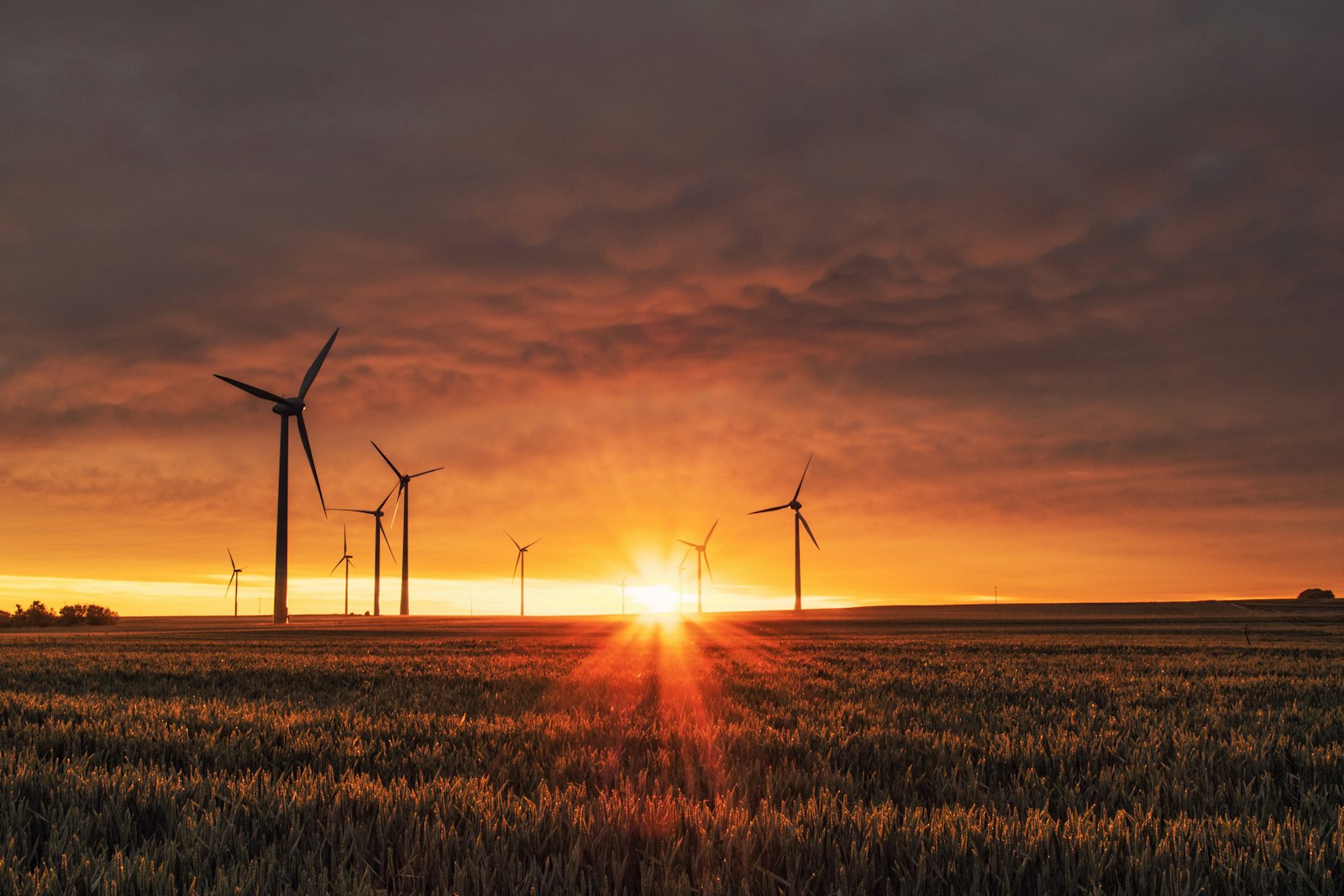
In the debate about the energy transition, the focus is usually on adding capacity: more turbines, more output. Less attention is paid to a simple calculation – the CO₂ comparison between keeping existing turbines running and dismantling them for a new build.
The embodied carbon of a new build
A large part of a wind turbine's climate footprint does not come from operation, but from manufacturing: steel for the tower, concrete for the foundation, composite materials in the rotor blades, and transport. This "embodied energy" has already been emitted once a turbine stands – regardless of how long it later produces electricity.
Continued operation uses what already exists
Keeping a functional turbine running avoids incurring that embodied carbon a second time. Instead of spending emissions on dismantling, disposal and rebuilding, the energy already invested is stretched over additional operating years. Every further kilowatt-hour from an existing turbine therefore comes with a particularly favourable balance.
A comparison at a glance
| Factor | Dismantling + rebuild | Continued operation |
|---|---|---|
| Embodied energy (manufacturing) | incurred again | already invested |
| Disposal / recycling | required immediately | deferred |
| Additional power generation | after construction | immediate |
A double benefit: ecological and economic
Continued operation not only saves emissions, it also keeps already-built infrastructure in use. Ecological benefit and economic sense point in the same direction here – one reason why the handling of existing turbines is increasingly seen as a topic of the energy transition in its own right.
This article is for general information and does not constitute investment advice.